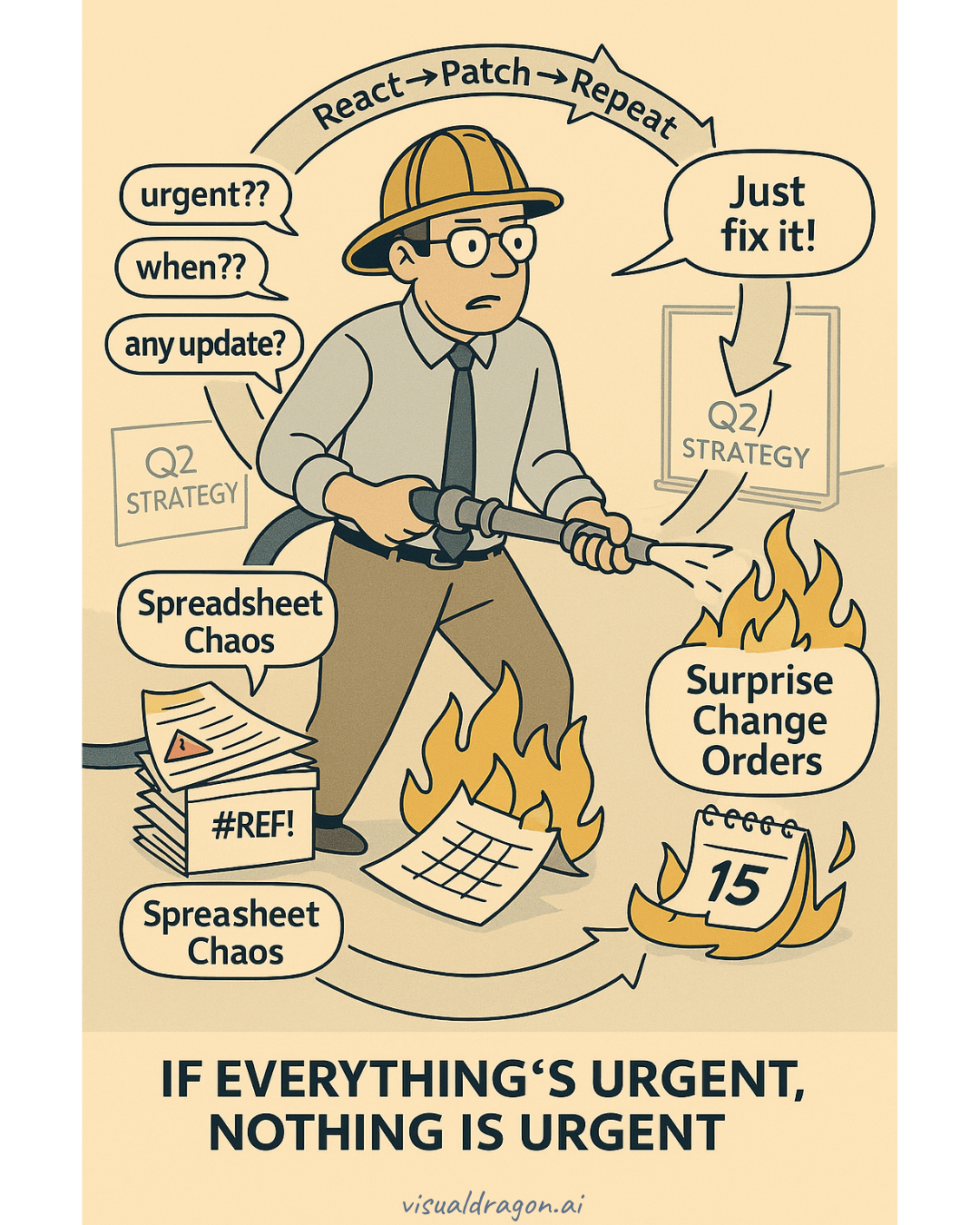
How to Escape Firefighting in Supply Chain Teams How to stop firefighting in your supply chain and lead differently beyond Excel chaos and Teams messages.
Why Planners Are Always ‘Reactive’ — And It’s Not Their Fault Planners aren't reactive by choice — they're reacting to broken systems, bad data, and constant surprises. It’s time to fix the environment, not blame the people.
XYZ Analysis XYZ analysis classifies SKUs by forecastability—X is stable, Y is variable, Z is erratic—helping you tailor inventory strategies and reduce planning noise.
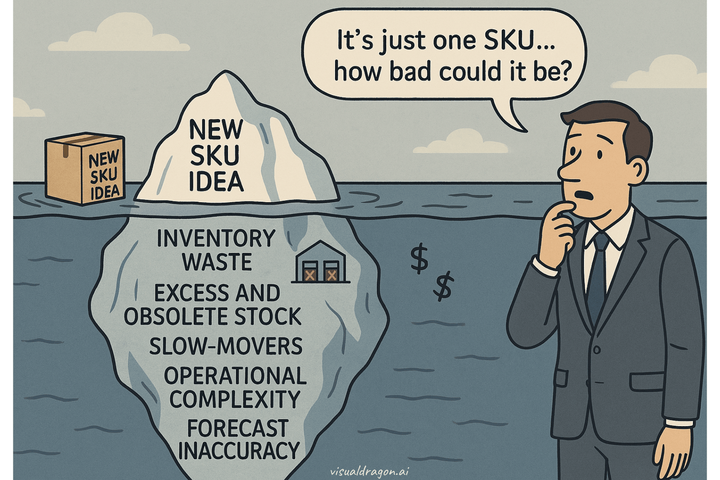
The Real Cost of SKU Complexity: Why Brands Must Simplify Discover how SKU complexity drains profits and learn strategies to streamline operations for scalable growth
Why Safety Stock Is Broken in Most Organizations Most safety stock models are outdated. To fix stockouts and excess, make them dynamic, segmented, and aligned with real-world demand and supply variability.
Planning ≠ Forecasting: Why We Always Confuse Them “Our forecast was dead-on. So why did we still miss 20% of our orders?” This question echoes across boardrooms, war rooms, and S&OP meetings alike. Forecasts, no matter how accurate, do not equal plans. And yet, time and again, supply chains falter not because their forecasts were wrong—
Forecast Fragmentation in FMCG: Why Demand Planning is Breaking Down—And How to Fix It Explore how forecast fragmentation is hurting FMCG supply chains—and how leaders are using agile, data-driven planning to restore trust and performance.